Ian Brodie

Ian Brodie


Navigation
Searchtime
Featured

Critical Success Factors for Creating an Online Course

Posted on January 12th, 2021. Critical Success Factors for Creating Online Courses

How To Create An Online Course: The Ultimate Guide

Critical Success Factors for Creating Online Courses

Critical Success Factors for Creating Online Courses

CONTENTS


The golden key to a course that sells well and is quick and easy to build is your choice of topic and audience.
Find a topic with a hungry audience desperate to learn and it won't take a lot of marketing to make it a winner. Conversely, a topic that few people are interested in is going to flop, no matter how brilliant your marketing is.
And in terms of a course that's easy to create, that's very much dependent on the depth and breadth of the material you need to produce to teach the topic. And that in turn depends on what your audience is looking for.
Luckily there are a few simple rules of thumb you can use to identify what type of course will have the most demand and be the easiest to product.

The 3 Different Types of Online Course

There are three primary types of online course, each with a different audience and motivation for buying.
By understanding these different types of course and why they're bought you can make sure you're developing a course that will sell, right from the start.
The first type of course is an Entertainment Based Course.
The 3 Different Types of Online Course
As you can guess from the name, the primary motivation for buying a course of this type is because of the enjoyment you'll get from taking it and from growing your mastery of a skill.
So while you might learn a useful new skill or enhance your current skills on an Entertainment Based Course, there's no real expectation that you'll get a major financial or career benefit from it.
The courses from Masterclass are a great example of this type.
For a small monthly fee you can learn tennis from Serena Williams, screenwriting from Aaron Sorkin, cooking from Gordon Ramsay and many many more.
The courses tend to be relatively high level and inspirational rather than something you could build a career or business from.
Your tennis skills may improve a bit and you'll probably enjoy the game more as a result of taking Serena's course but it's doubtful you'll become a tennis pro.
I took Sorkin's screenwriting course while on vacation a few years ago. And while I learnt some things about storytelling that could be useful to me in business, I had no expectation of ever writing a screenplay let alone becoming a professional screenwriter. My primary motivation was the enjoyment of learning something new and interesting from someone whose work I admired while sitting by the pool sipping a cold beer.
People typically choose this type of course based on whether the specific skill they'd enjoy learning is covered (for hobby based skills there may be few providers), and to a large degree the prestige of the instructor.
The second type of course is a Professional Development Course.
Buyers of this type of course are looking for a broad set of skills that can help them in their career.
Sometimes that relates to doing their current job better. More usually it's to gain new skills that will help them in a new role or the next step up on the ladder in their current role.
Examples of this would be doing an online MBA, a functional skills course or a coach certification. 
People who buy Professional Development Courses typically want to gain as broad and as deep a range of skills from the course as they can, since anything they learn has the potential to be helpful to them in their future career.
They choose their provider of this type of course based on the perceived value future value to their career of the skills they'll acquire and to a certain degree the prestige of the course provider (a Harvard MBA will help their career rather more than a course from their local college for example).
The third type of course is an Outcome Based Course.
Buyers of this type of course are looking to learn a skill in order to achieve a specific result. Their motivation is less about the skill itself and more about the result it enables them to achieve.
An example of this type of course would be a business owner doing sales training in order to get more customers (rather than a salesperson wanting to become better at at their profession of sales).
Because buyers of Outcome Based Courses are interested in the results they'll get from the skills they acquire rather than the skills themselves, they ideally want to learn the minimum possible to get the job done and achieve the maximum benefits.
In other words, any time spent learning skills that aren't absolutely necessary to achieve the outcome they're looking for is viewed as a waste.
Buyers of this type of course make their selection based on the perceived return on investment they'll get from the course (how much the outcome they're looking to achieve is worth vs the cost of the course) and how how confident they are that the skills they'll acquire through the course provider will definitely lead to the outcome they're looking for.
The three types of course are summarised below:
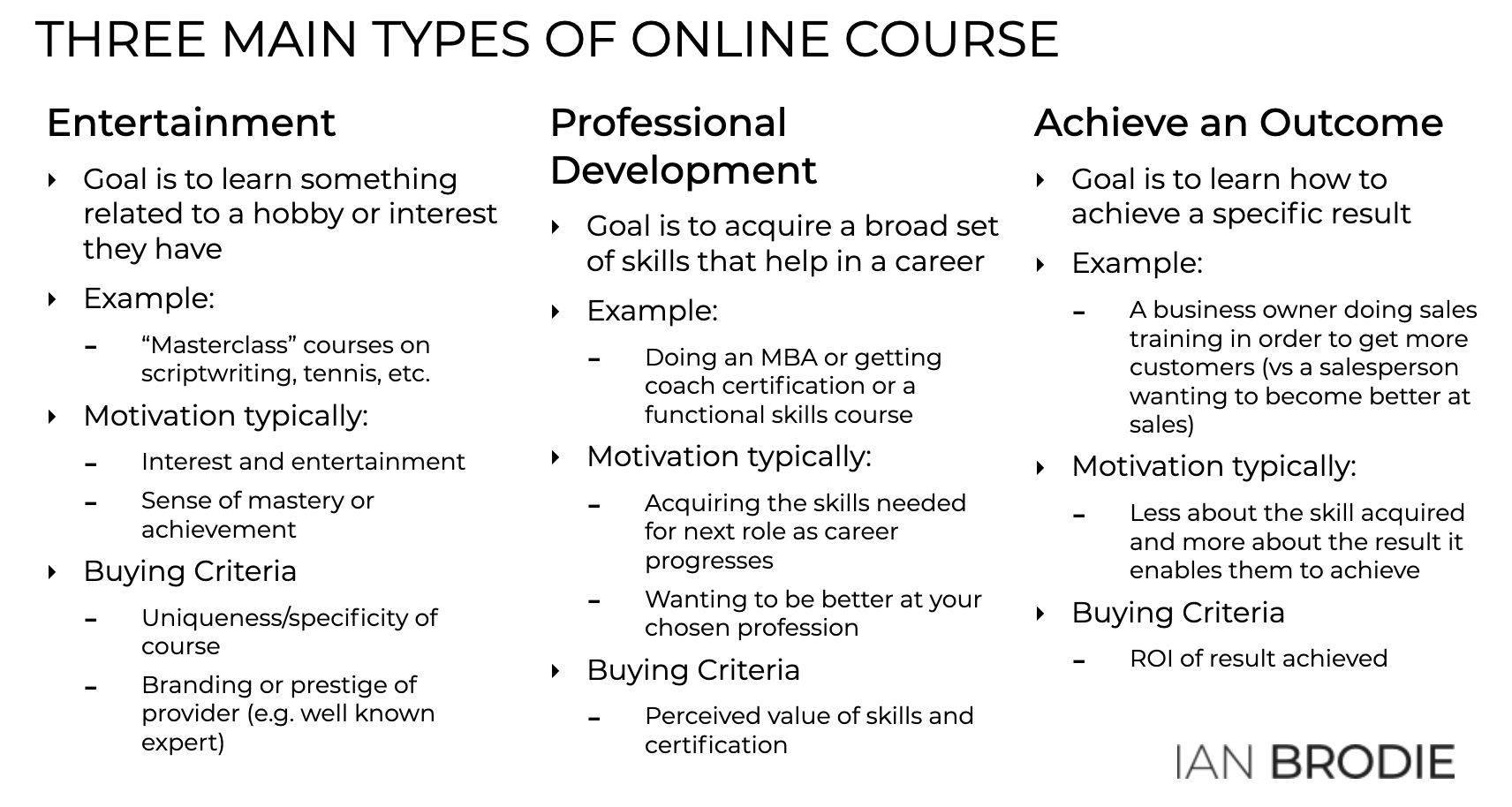
Comparison of the 3 main types of online course
Each type of course can be very successful, but if you have the choice, my advice would be to focus on building an Outcome Based Course. At least initially.
Because an Outcome Based Course is aimed at giving your clients the skills they need to get a specific result, it's much easier for them to have a clear return on investment on the course rather than if it gives them skills they use for enjoyment or they're building to help their future career.
And a clear return on investment makes it much easier to charge higher prices for the course.
Additionally, because buyers of an Outcome Based Course prefer to learn the minimum necessary to achieve the outcome they're looking for, it's much quicker and easier to develop this type of course than when buyers are looking to learn as much as they can from the course.
This analysis is summarised below:
Profitability analysis of types of online course
That's not to say you can't make a great success of an Entertainment Based or Professional Development Course. It's just that they're likely to be tougher to make work than an Outcome Based Course - especially for your first course.

Deliver a Specific, Tangible Outcome in an Important or Urgent Area

How you frame the outcome your course delivers makes a big difference to how attractive it is to potential buyers.
Ideally you want it to be clear from just the title of the course what kind of return on investment buyers will get from it. But even if the link to financial benefits isn't easily quantifiable you can make your course much more attractive simply by the way you phrase the name and the goals.

Deliver a Specific, Tangible Outcome in an Important or Urgent Area
The more specific and tangible you can make it and the more you can focus it on a known priority of your potential clients the better. For example:
  • "Marketing for Startups" vs "Get Your First 10 Big Clients"
  • "Presentation Skills" vs "Ace Your Board Presentation"
  • "Leadership Skills" vs "Crisis Management for Leaders"
You might be worried that by making your course more specific and focusing on only one aspect of the bigger set of skills you can deliver that you'll shrink the market for it and have lower sales. but in fact the opposite happens. 
When people buy courses to help them achieve an outcome they're looking for something as focused on that outcome as possible. Buying a broader course to achieve just one of the many outcomes it covers is a bit like buying a full toolbox just because you need a new screwdriver. Typically it feels like a waste if you do it, and you worry that the screwdriver won't be as good quality as the one you could buy specifically on it's own to do exactly the job you want done.
So although focusing on a very specific outcome shrinks the market, it makes you exponentially more likely to get buyers who want that outcome. 
And, of course, it's a lot quicker and easier to create a course based on one outcome than a more general course.

Pick the Right Audience for You

Typically there are two potential audiences of buyers for courses: 
  • Individuals (end consumers or small business owners). These are people buying the course for their own use (or for someone to use on their behalf. They typically buy one course at a time and are able to make decisions quickly and pay instantly via credit card.
  • Corporate buyers. This is where appointed representatives or committees buy courses for use by others in their organisation. They usually buy multiple courses, are often from administrative functions (HR or Procurement for example), have long, complex decision processes often involving multiple people, and may have technical criteria for courses (e.g. the technology/methodology used)
There's no one best audience for everyone, just the best audience for you.
For most of us, selling to individuals (e.g. small business owners) is going to be our fastest and easiest route to success.
  • They're usually easier to reach
  • Decision making is faster and easier
  • Their needs are more straightforward and focused (the needs of an individual vs multi-person)
However, if you already have established relationships with corporates it can be relatively easy to get them interested in courses.
  • You can offer the course as an add-on to existing work
  • Or you can simply use your strong connections and pre-existing trust to start a conversation about online courses
  • You can often be paid in advance to develop a course specifically for a corporate client that you can then reuse 80% of later
  • Because they're buying multiple copies of a course for employees it can be very lucrative
However, if you don’t have good connections already it can be very hard to break into a corporate - especially right now when access is limited due to the pandemic. The sales process is much longer and complex and you'll probably be required to make your course compatible with their existing systems. 
So if you're starting from scratch or don't have those pre-established corporate connections, focusing on individuals (either end consumers or small business owners) will be your most probable route to success.

Ensure Your Course Stands Out from Others on the Market

When you deliver face-to-face services you're somewhat insulated from competition.
Travel costs and time mean that most face-to-face services are bought from relatively local providers. And even if international providers are considered, they can't be in two places at the same time. So if they're delivering work for one client they can't deliver work simultaneously for another.
Neither of those constraints is true for online courses.
Ensure Your Course Stands Out from Others on the Market
While they offer you the big advantages that you can reach clients with your courses anywhere in the world and those courses can be bought and delivered 24/7 - those same factors apply to your competitors too. In other words, with online courses you're competing against everyone else in the world who sells the same type of course as you.
In order to succeed with online courses it's vital that your course stands out and is clearly different and better (for some people) than the others on the market.
There are five primary ways to make your course stand out from other similar ones:
  • Make your course cheaper than everyone else's.
    This is an obvious way to stand out from other courses, but it's not one I'd recommend. There will always be someone prepared to undercut your pricing in a race to the bottom that hurts everyone. And these days, marketplaces like Udemy and Skillshare are making basic courses on many topics available at ultra low prices.
  • Make your course more in-depth and comprehensive than everyone else's.
    This can be a very effective way of competing. In the world of online advertising for small businesses, Adskills is well-known for these type of courses: more in-depth and technical than any others on the market.

    Creating these in-depth, comprehensive courses obviously takes a lot of work, and they're more suitable for Professional Development type courses than Outcome Based ones. For example, Adksills is often used by agencies  to train and certify their staff or by individuals wanting to become a deep expert in an advertising platform, rather than by business owners just wanting to get ads that work for them.
  • Focus your course on a specialist niche .
    A course focused on a narrow audience or sub-topic (or combination of both) is going to have much less competition than a course focused on a much broader market. At it's going to be much more appealing to buyers in that niche

    The challenge, of course, is to find a niche with limited competition, but still big enough to allow you to hit your sales goals.
  • Differentiate based on your own credibility, personality or relationship with your audience.
    If you're a well-known expert in your field, have a long track record of success, or have built a strong relationship with an audience (e.g. your own email list) then that can differentiate your course from others.

    People buy from people they know and trust and that relationship can be your edge, even if the course itself is similar to others.
  • Base your course on a unique methodology or approach.
    Rather than just teaching standard material, if the core of your course is a methodology or model or approach that's unique to you it becomes impossible for competitors to copy.

    And because the approach is different to what anyone else is offering it'll be new and compelling to potential buyers. It also means you can focus on teaching the unique aspects of the approach rather than covering everything related to the topic.

    For very many people this will be the most effective way of differentiating yourself while minimising the amount of work needed to develop an effective course. And the reality is that we all have our own unique approaches to how we deliver our work - it's a matter of codifying and communicating them in a compelling way.
In practice, most successful courses use a combination of ways of differentiation.
Mark Dawson's course on Facebook Advertising for Authors, for example, stands out partially because it was the first and is still one of the few courses on Facebook Advertising specifically for fiction authors. But it also benefits from his personal credibility as a highly successful author having sold millions of fiction books.

Use a Lean Approach to Developing Your Course

One of the biggest mistakes people make with online courses - particularly their first one - is to spend too much time developing the course and building the infrastructure before they've properly tested whether there's a viable market for the course.
Your biggest uncertainty by far when building an online course isn't whether you'll be able to create a good course, or whether you'll be able to master the technology. It's whether you'll be able to sell it.
Use a Lean Approach to Developing Your Course
And while surveys, interviews and other forms of research can help, the only real way to know if your audience will buy a course is to offer it for sale.
The best way to do this is to follow a "lean" approach to developing the course.
With a lean approach you develop a "minimum viable product" that delivers the results your customers are looking for without the bells and whistles and presentational niceties and offer it for sale to your hungriest potential customers as soon as possible.
With an online course, you can do this by running a paid pilot.
With a paid pilot, you offer to deliver the initial version of the course in a "rough and ready" pilot version to customers who are happy to get the content, give you feedback, and help shape the course.
In return for being guinea pigs for the course, they usually get a significant discount on the target price, plus they get to work with you directly as you develop the course so that it's certain to meet their specific needs.
Usually a paid pilot is drip fed week by week - either as training videos or delivered live by webinar or video call.
This sequential delivery means you can offer the course for sale as soon as you've pulled together an outline of what will go in the course. You don't need to actually create all the course materials before selling it.
Of course, you have to be confident you'll be able to create each module of the course in time to deliver it to your paying customers. And it's wise to keep a week or so ahead of your promised delivery date for each module just in case illness or other problems strike.
But the key is that you can offer the course for sale before you've created the bulk of it. And you can deliver the course using simple technology like a live webinar or hidden pages on your website - you don't have to build a complex fully automated infrastructure for the course.
That means that you can test whether the course will be viable before making large investments in time and money to create it.
In the worst case, if the course doesn't sell well enough to justify creating the rest of it, you simply refund the early buyers (and ideally gift them something else to thank them).
In the best case, the course will sell quickly and give you the confidence to push ahead full steam developing the remainder of the pilot course and then updating for the full course.
Using a paid pilot to de-risk course development
Following this approach you take a lot of the risk out of course development. And you also ensure that the course you develop is much more likely to meet the needs of your clients.
The first step is to choose a  topic that will be attractive to buyers and easy for you to develop.

Choosing the Right Topic for Your Online Course

Choosing the Right Topic for Your Profitable Online Course

Learn which topics lead to the most profitable and easiest to develop course

  • Brainstorm ideas using Topic Triggers
  • Strengthen your initial ideas
  • Evaluate and select the best idea

Featured

More Clients Memorandum

The 100-year-old military strategy is the key to winning high-value clients

Posted on January 10th, 2021.

If you're looking to win high-value clients you could do a lot worse than listen to the advice in Frederick W. Lanchester's 1916 book “Aviation in Warfare”.

It's advice that was taken up by Deming after the second world war and used to great effect by Canon to enter and dominate key markets.

Lanchester's observation was that in battle (and in business), advantages are typically exponential rather than linear. And that in military terms a smaller army is therefore far better off concentrating its forces to attack a small outpost where it can have superior numbers locally than it is to try to take on the enemy head-on.

When it comes to winning high-value clients the same thing applies.

You're far, far better off concentrating your “forces” on a small number of high-potential clients than spreading yourself thinly pitching for a large number of projects.

Firstly, high-value clients take a lot of winning.

The stakes are higher so they need more convincing. And that means more time spent building credibility and trust.

And often there are multiple people involved in the decision-making process and official hoops and processes to go through. Again, more time needed.

And secondly, you're likely to be up against more competitors aiming to win the same big prize.

You can't just do a little bit for a lot of clients and expect to win a percentage of them in this situation.

You have to be selective and go “all in” on a few.

Make sure you invest the time to stand head and shoulders above the rest.

And the great thing is that by focusing your efforts you can beat much bigger competitors. Because no matter how big they are, they still divide their resources “efficiently”.

It means that you can spend much more time and energy on your selected prospects than they do.

You can be the one that's top of mind with a stronger relationship and better credibility.

But only if you focus and choose to spend time with some prospects and not others.

It starts with picking a “Perfect 10” and I'll cover that in our next email.

PS Credit to Paul Denvir and Kevin Walker who were the first to talk about “Lanchester Strategy” for winning clients in their book Growing Your Client Base.

Featured

How To Create an Online Course: The Ultimate Guide

Posted on January 7th, 2021. How To Create an Online Course: The Ultimate Guide

A step-by-step guide to creating online courses

How To Create An Online Course: The Ultimate Guide

How To Create An Online Course: The Ultimate Guide for 2021

CONTENTS


If you're a consultant, coach or trainer then one thing that's no doubt been hammered home to you during the pandemic is that a complete reliance on face-to-face work is a huge risk.
When lockdowns first started around the world we saw an immediate switch to a variety of remote working approaches like conference calls and video workshops. These allowed us to continue current and planned projects without fundamentally changing what they were about. Instead of live workshops we did webinars. Instead of 1-1 meetings we did phone or video calls.
But the changes didn't stop there.
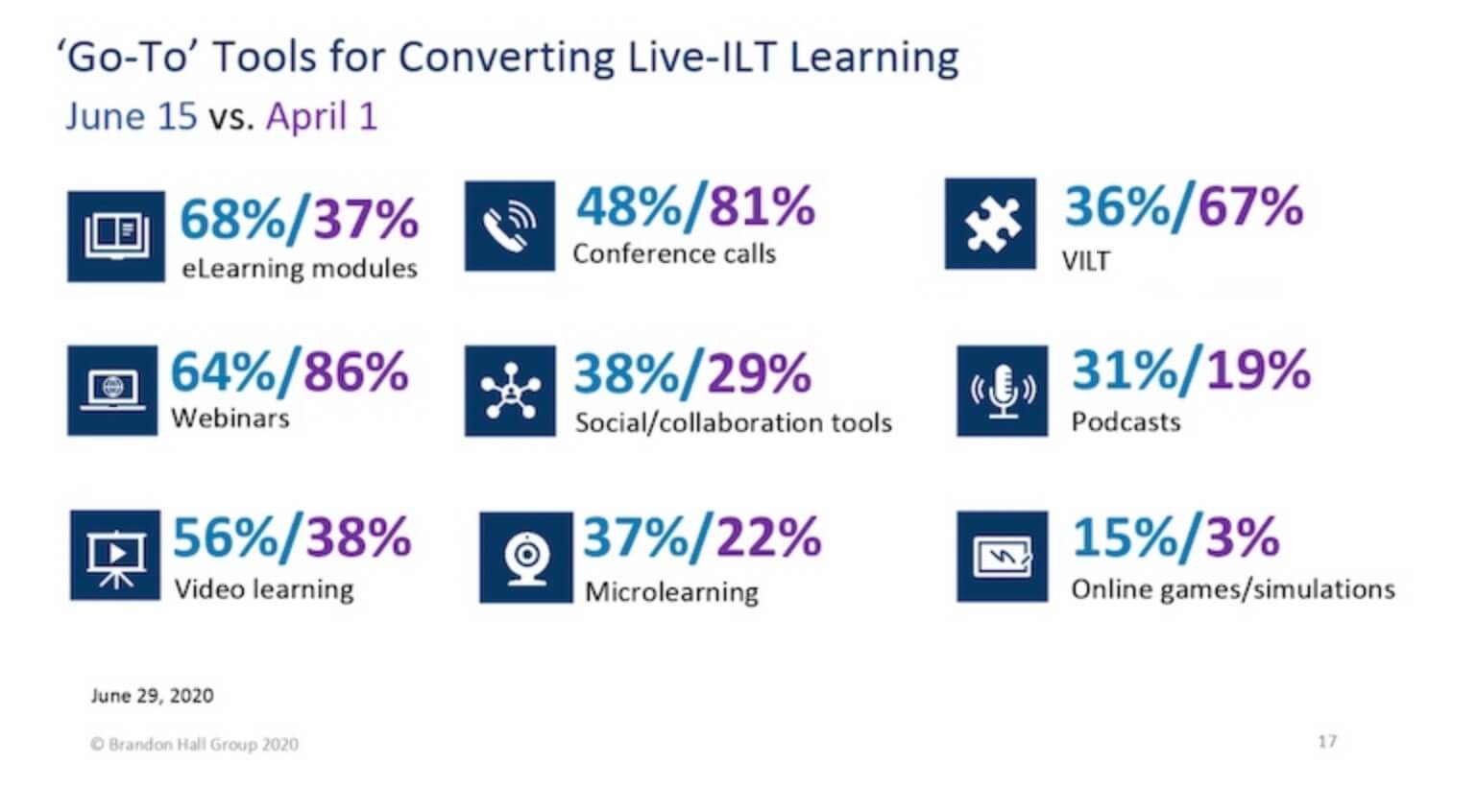
Even by June, researchers Brandon Hall were reporting that client organisations were pushing training sessions from webinars and calls towards pure e-learning and video based online courses.
Brandon Hall research into 'Go-To" tools for online training
And all the indications say this switch is going to be permanent rather than returning to "normal" after the pandemic.
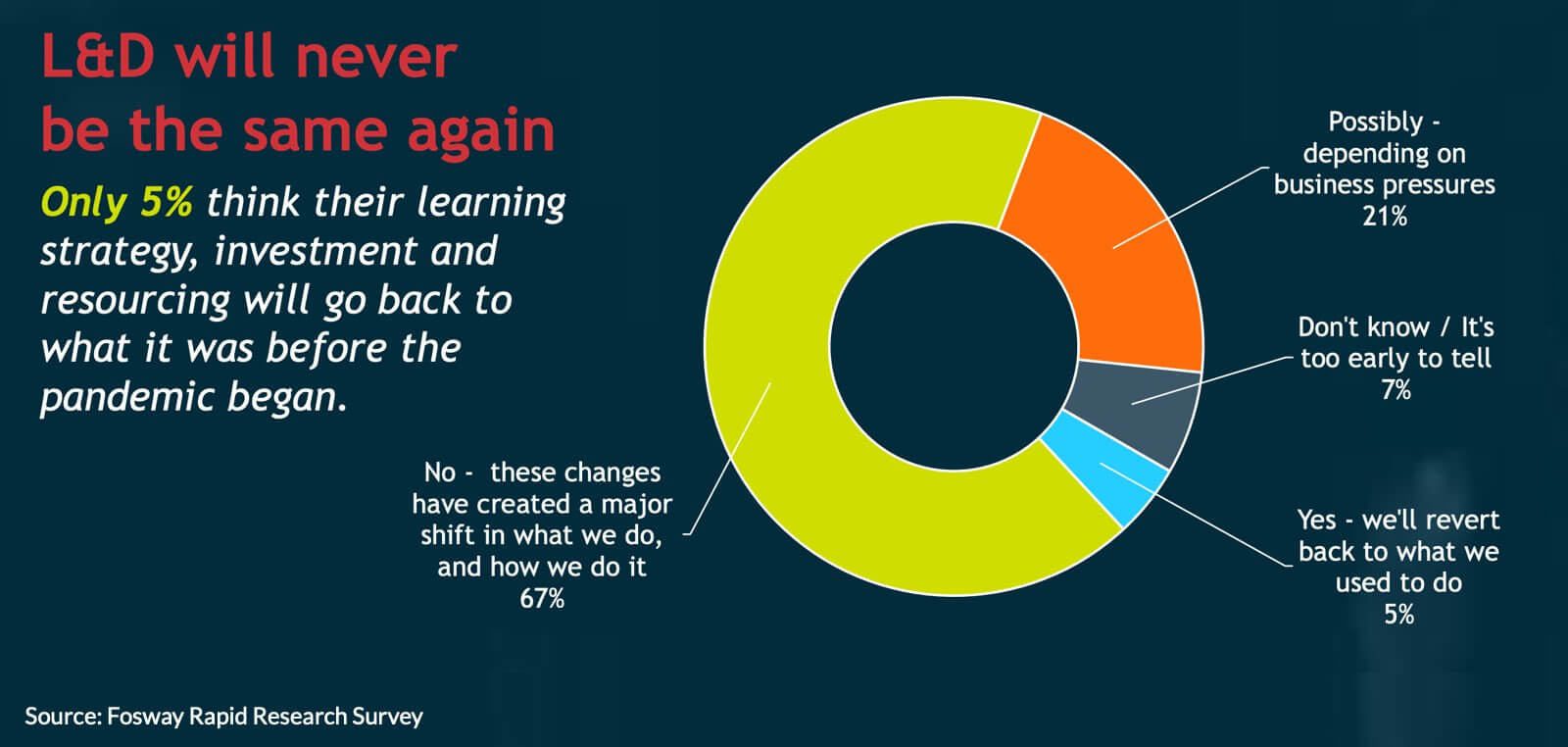
As research by Fosway shows, the vast majority of Learning & Development Directors, Managers and Learning Technology Professionals say there has been a major shift in what they do and they don't expect things to return to a pre-pandemic scenario.
Fosway rapid Research Survey into post-pandemic L&D strategies
The logic behind this shift is clear.
Clients report increased engagement and retention of information with e-learning strategies, along with a better fit with busy employees lifestyles.
In addition, there's less time wasted on travel and breaks, and the environment can often feel safer for employees rather than learning alongside peers.
And perhaps most significantly, most clients embarking on e-learning projects expect significant cost savings as a result. IBM, for example, reported savings of around $200 million as a result of their e-learning initiative and McDonald's reported savings of 50% of their training costs by switching to e-learning.
It's little surprise that even before the pandemic the global e-learning market hit $200 billion in 2019 and was predicted to grow to $375 billion by 2026.
And from a service provider's perspective, online training courses have many advantages:
  • They allow you to reach clients in geographies you could never reach with in-person services and to serve many more people

  • They allow you to scale your sales much more easily (ie selling additional courses doesn't require much more work from you after your initial investment in building them)

  • They can be sold and delivered 24/7 and while you're working on other things

  • They allow a much higher degree of automation, freeing up your time

  • They can increase the lifetime value of each client allowing you to invest more to win them

  • The content of your online courses can be reused for marketing, live presentations, articles, etc.

A word of caution however: creating online courses isn't for everyone.
Creating online courses is a significantly different business model to delivering services.
With traditional service delivery you market and sell to clients and your contract is confirmed before you start the bulk of your work. Often you get paid at least in part up front.
With online courses you have to invest up-front to develop the course and then sell it. And while there are things you can do to minimise your upfront investment (and we'll cover them in this guide), it's inherently a more risky business model. More investment up front for potentially exponential returns downstream rather than a more linear "get paid as you go" model.
The style of work is different too. Many service professionals enjoy working live with clients and being "in the moment" as they react to what clients say and do in coaching sessions or workshops. 
Creating online courses is a very different style of work. It's largely solitary and the work is much more structured as you plan, design and create courses. And unless you're outsourcing elements of the work too, it's much more technical and requires mastery of recording video and audio, lighting, slideshows, video editing and online tools for course delivery.
Marketing and selling your courses online is also very different to marketing and selling face-to-face services. Again, it's more technical, more solitary and less "in the moment".
And the reality is that those differences in business model, working style and marketing just don't suit some people.
You need to go into this with your eyes open, and ideally to test it out quickly to see if this different style of working will suit you and you can make it a success.
That said, if you can get it to work for you the potential rewards are massive. Online courses offer the opportunity to serve more people, give unrivalled flexibility in your working life and (let's not mince words) make a lot more money than you could from face-to-face services alone.
So let's dive in to our in-depth guide: 

How To Create an Online Course: A Step By Step Guide

Click on any of the sections below (or the menu at the left of the screen) to see the in-depth guide for that section.

Critical Success Factors for Creating Online Courses

Critical Success Factors for Creating Online Courses

5 key factors that will determine the success of your course:

  • Pick the right type of course

  • Deliver a specific tangible outcome in a priority area

  • Pick the right audience for you

  • Make your course stand out from others on the market

  • Use a Lean approach to speed up and derisk course development

Choosing the Right Topic for Your Online Course

Choosing the Right Topic for Your Profitable Online Course

Learn which topics lead to the most profitable and easiest to develop course

  • Brainstorm ideas using Topic Triggers

  • Strengthen your initial ideas

  • Evaluate and select the best idea

Identifying the Best Audience for Your Online Course

Identifying the Best Audience for Your Online Course
Identify and evaluate the best potential audiences for your course to use as you develop and launch it:

  • Deciding which type of buyer to focus on

  • Brainstorming potential buyer audiences

  • Evaluating the best audiences for you

Outlining Your Online Course

Outlining Your Online Course

Create a course outline to motivate buyers and guide the creation of your course:

  • Doing small scale personal research 

  • Broader research with a survey

  • Interpreting your research

  • Creating Your Course Outline

Learn more about  Outlining Your Online Course

Choosing the Best Technology Platform for Your Online Course

Choosing the Best Platform for Your Online Course

Review and select the best technology to use to run your course during your pilot and beyond:

  • The 5 technology pillars of online courses

  • Technology choices for your pilot

  • The 3 options for building and running your course long term

  • Technology choices for your course launch and continuing operation

Learn more about  Choosing the Best Platform

Pricing Your Online Course

Pricing Your Online Course
Define an optimal price for your pilot and full launch of the course:

  • The Economics of Course Pricing

  • Psychological Influences on Your Course Price

  • Strategic Influences on Your Course Price

  • Benchmarking customer alternatives

  • Pricing your pilot and adjusting for launch 

Learn more about  Pricing Your Course

Piloting Your Online Course

Piloting Your Online Course
Learn how to run a pre-sold paid pilot for your online course to ensure its success:

  • Naming your Course

  • Pre-selling your Pilot

  • Your Pilot Timeline

  • Running Your Pilot

Launching Your Online Course
Launching Your Online Course
Learn how to plan the three key steps to launch your course after piloting:

  • Updating your content

  • Updating your technology

  • Preparing your marketing

Marketing and Scaling Up Your Online Course
Learn the three key success factors for profitable course growth after launch:

  • The Lifetime Value and Customer Acquisition Cost Equation 

  • Converting More Existing Contacts into Buyers

  • Expanding Your Contact Network While Promoting Your Course to Them

Find out more about how we can build your online course for you 

Webuild.courses is our dedicated service where we work with you to build a brilliant online course that meets your exact needs:

  • A beautiful course site with content and sales pages

  • Membership and learning management

  • In-built forums or groups for client engagement

Learn more about webuild.courses

Featured

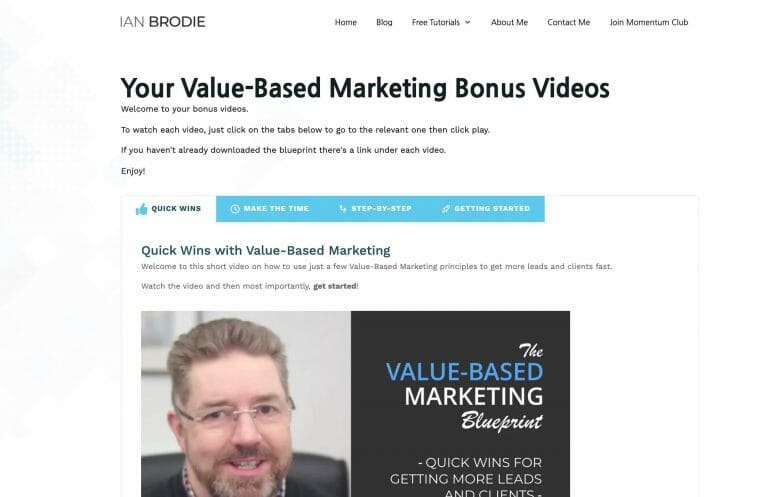
Value Based Marketing Bonus Videos

Posted on December 31st, 2020.

Your Value-Based Marketing Bonus Videos

Welcome to your bonus videos.

To watch each video, just click on the tabs below to go to the relevant one then click play.

If you haven't already downloaded the blueprint there's a link under each video.

Enjoy!

  • Quick wins

  • MAKE THE TIME

  • Step-By-SteP

  • Getting Started

Quick Wins with Value-Based Marketing

Welcome to this short video on how to use just a few Value-Based Marketing principles to get more leads and clients fast. 

Watch the video and then most importantly, get started!

What People Say About Ian

Most successful month of income

Ian lives and breathes the concept of giving value in advance and soon after adopting his suggested strategies I had the most successful month of income I had ever had!

STEVE NICHOLLS  //  Managing Director, Executive Connexions

My business now has a steady flow of leads, and consistent predictable profits

The hardest part of my 19 years in business so far has been marketing. I knew it was the secret to consistent income and profit, but I didn't understand it and was scared of it. I spent thousands on so-called experts, none of whom had a clue how to market my business.

Then I found Ian! Ian Brodie is literally the only person I have ever encountered who truly understands marketing, marketing strategy and how to execute that strategy consistently. and he's incredibly generous with his ideas, insights and has a genuine desire to help people.

My business now has a steady flow of leads, and consistent predictable profits - the holy grail of every business. I recommend Ian to everyone I work with and many of my clients follow his fantastic blog and use his Momentum Club.

SERENA HUMPHREY  //  Managing Director, The F-Word Training

The best business building program

After 20 years in marketing, I’ve been through many programs and the Momentum Club is the best business building program I’ve ever been in – it’s truly a breed apart.

DAN PFISTER  //  Founder, Strategic Winback

The most valuable and productive 15 minutes I've ever spent

I've just watched the Marketing Critique - probably the most valuable and productive 15 minutes I've spent on our business development plan. Excellent advice, right on point and VERY valuable recommendations so I can make real changes immediately. MUCH appreciated and that alone is worth a year of Momentum Club membership.

ALEX HUTCHINSON  //  Director, TBA Group

Featured

More Clients Memorandum

This one thing builds relationships by email more than anything else

Posted on December 20th, 2020.

There's a lot you can do in emails to enhance your relationship with your subscribers.

Honesty and openness is a good “trick”.

Telling stories that share a bit of your life and personality. Actually having an opinion about stuff. Admitting to your mistakes. Showing empathy for their challenges.

But the very best thing for building relationships is something you'll rarely see advised.

It's simply to write emails that get replies. Either because you ask for them, or because you write on topics that people are interested in replying to.

Most email marketing works on the principle of trying to reduce human interaction. That way you can reach thousands of people efficiently.

And that works for Amazon, or online marketers pitching products where people are buying the thing, rather than the person behind the thing.

But when we're marketing high-value services, the relationship is vital.

And relationships aren't about efficiency. Relationships come from human beings interacting with each other.

So the thing to do in your emails isn't to try to automate the heck out of everything. It's to use your automated emails to trigger more personal interaction.

An email reply from a subscriber turns into a personal reply from you and then an email conversation. Maybe even a call.

And then that person feels much more like they have a relationship with you. Because they do.

They'll find it much easier in future to shoot you an email or give you a call if they're looking for help. You're no longer a distant information provider. You're a responsive connection. A friend even.

And really, it's not all that inefficient to do this.

If you have a few thousand email subscribers, only a handful will email you back each time. It's perfectly manageable.

But each email you get back is a new or enhanced relationship

Featured

More Clients Memorandum

The scary P word

Posted on December 16th, 2020.

Persuasion.

There. I've said it.

A lot of people really don't like the P word. They worry that persuasion means something underhand and manipulative. Getting people to do things you want them to do rather than what they want to do.

But the reality is that adults spend rather large chunks of their time persuading – whether we want to admit it or not.

If I want the kids to do their homework, I have to persuade them. The alternative is just to hope they'll be inspired to do it themselves which never quite worked with our kids.

If I want to watch the Newcastle game on the big TV tonight I have to persuade Kathy that it's a better option than watching a Christmas movie (again). Newcastle games usually beat Christmas movies by the way. But Christmas movies beat everything else I might want to watch.

If I want you to join Momentum Club I have to persuade you that it's in your interests. Usually by telling you about the benefits you’d get from being a member. Or maybe by showing you what other members have got from it. Or maybe offering some kind of incentive.

Persuasion is something we do hundreds of times a day whether we realise it or not. And it's nothing to shy away from, as long as you do it ethically.

And it's something you need to be able to do in your emails if you want to actually help people.

You've spent all this time getting the attention of your audience. But unless you actually get them to do something different, it won't do you or them any good.

There are a million different models of persuasion and how it works. But I like to simplify it down to three big factors which I'm going to cover in the next emails.

Firstly, people are more likely to do what you ask if they have a relationship with you. If they like you and trust you.

Secondly, people are more likely to do what you ask if they see you as an expert or authority in the area you're trying to get them to do something in.

Or put another way, you're more likely to follow the financial advice of a qualified and experienced professional than someone you just met in the pub. Or at least I hope so. And if you like them and think they have your best interests at heart then that's doubly true.

Both those factors are contextual. You build relationships and establish authority in advance of the act of persuasion. When it comes time to ask someone to do something, all that work you put into building credibility and trust then pays off.

The final factor is more immediate.

I don’t have a great phrase for it, but it's to use persuasive strategies and techniques.

Not tricks. Not deception. But simply making your case in the best way possible to persuade someone.

Telling them about the good things they'll get if they follow your advice. Pointing them to others they respect who followed the same advice and got great results. Showing how following your advice is consistent with their previous actions. Making it easy for them to say yes.

Nothing underhand.

But techniques which can considerably increase your chances of getting a yes.

At least I hope so as I now have to tell Kathy about that match tonight…

See you next time with ideas on how to establish relationships in your emails.

Featured

More Clients Memorandum

The interest payoff

Posted on December 13th, 2020.

If you want people to pay attention to you over the long term, there's got to be some kind of payoff for them.

Otherwise they simply stop reading.

The obvious payoff is the value and results they get from your emails. But there's also a payoff for your readers in your emails simply being interesting.

I hesitate to use the word ‘entertaining' because it's not like they need to be laugh-a-minute or great works of drama. In fact, I think that can be counterproductive.

But by spicing up your emails a little you can maintain interest and ensure people get the messages you're trying to send.

Ultimately, how you make your emails interesting is a function of your personal style and how you want to come across.

Some people are loud and controversial. Others are funny. Others are thoughtful with deep insights. You have to kind of grow into your own style.

But here are some thoughts on different ways of making your emails interesting that might give you a good starting point.

  • Firstly, try to focus on making one main point per email
    – otherwise your emails get confusing and boring
  • Use stories. You could do the whole email as a story in parable/fable style. Or my preferred style is to use a “micro-story” as an introduction to your main point – a few sentences to set the scene.
  • Use interesting analogies and comparisons your audience won’t have seen before
  • Include surprising or contrarian ideas
  • Share “behind the scenes” information and “what’s working now” from what you're doing in your life and how that relates to what you're teaching
  • Hook into current events (though avoid the overused “5 leadership lessons from the Olympics” every 4 years)
  • Write a series of related emails so that readers look forward to the next email in the series

You don't have to use all of these different techniques. I tend to tell personal stories, use series of emails, and throw in the odd quirky reference that happens to grab me at the time and make me smile.

Play around with different approaches. See which you enjoy. See which get a response from your readers.

No matter how valuable your emails are, your readers can only take so much raw information. That's why the most popular non-fiction books aren't textbooks – they're written by people like Malcolm Gladwell, Bill Bryson and Ben Goldacre who know how to tell a good tale.

We don’t have to quite hit those levels. But we do need to keep our emails interesting if we want people to keep tuning in, hearing our messages, and eventually being ready to buy from us.

Featured

What I’m Doing Now

Posted on December 5th, 2020.

What am I doing Now?

This is a now page, inspired by Derek Sivers — a nearly-always updated page of what I’m up to these days.

It's a chance to say a bit more than you can on a social media update.

Last update: 17th September 2023.

Work

Workwise I've narrowed my focus onto email marketing/email newsletters. This is the topic that made me "a little bit famous" through Email Persuasion.

I'm doing that through a regular newsletter/blog on Substack: Unsnooze Your Inbox where I teach how to write fun, engaging emails that deliver value and build authority. I'm also running an online course on writing engaging newsletters adn am sharing monthly email template packs with outlines and frameworks for people to adopt, inject their own ideas and use.

As ever I'm continuing to work with Kathy as she helps thousands of Early Years Practitioners through Early Years TV and the Early Years Summit.

Personal

I've managed to lose a decent amount of weight over the last few years, along with getting a lot fitter. As you get a little older somehow it just becomes that bit more important.

I'm still way too interested in technology, on to yet another iPad and iPhone. Yet somehow I keep returning to pen and paper for note taking and thinking.

Chris got married earlier this year to Hilary. It was a fantastic do, and we're so proud of both of them. We're off to Hong Kong soon to see Hilary's relatives over there and do a Chinese wedding ceremony.

That's it for now!

Ian Brodie
Ian Brodie

Featured

Resources for Winning Corporate Clients

Posted on December 1st, 2020.

How To Get Corporate Clients: The Ultimate Guide

Resources for Winning Corporate Clients


CONTENTS

Resources for Winning Corporate Clients


This is a collection of some of the books and other resources I've found the most useful in building up knowledge of corporate buying.

Overall Strategies for Winning Corporate Clients

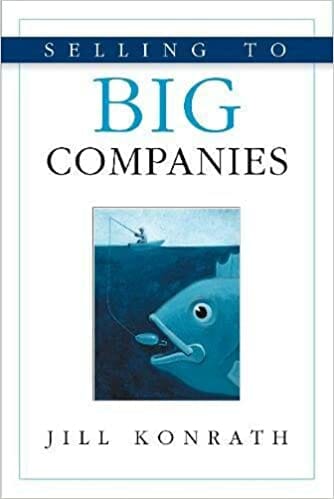
Selling to Big Companies is Jill Konrath's very practical guide to how small businesses can break into and win large corporate clients.
It covers every key step of the process from targeting the right clients to finding out who the key individuals are, crafting a "breakthrough value proposition", making contact and running effective sales meetings.
Tom Searcy's Whale Hunting started off life as a free PDF but was so popular it became a best-selling book.
It's a little bit more aimed at larger organisations selling in teams, but the process it outlines for scouting, selling and then overdelivering to large clients can be used by any sized organisation.
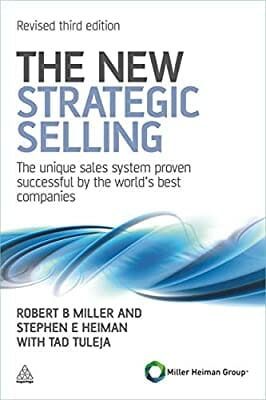
Strategic Selling is the classic work introducing many ideas now in common currency in marketing and sales.
It's a great foundation for understanding the dynamics in corporate decision making, aiming for win-win, and the use of a coach to help you navigate the decision-making process.
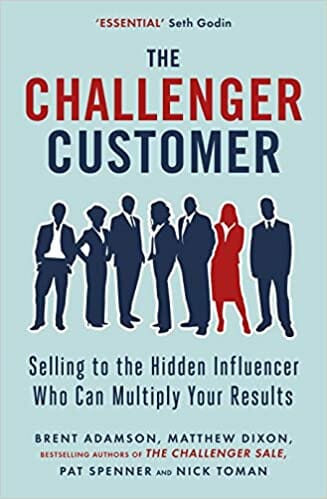
The Challenger Customer  is the follow-up to the best-selling Challenger Sale and focuses more on decision-making processes in large organisations.
It particularly highlights how decisions have become more complex, leading to a "lowest common denominator" consensus that requires sellers to challenge through commercial insight.
Buying Facilitations looks at the wider aspects of buying processes in client organisations.
In particular, it highlights that very often the key barriers that prevent a purchase are less to do with the product and seller and more to do with the client's own internal pressures and issues.  It becomes a key skill of the seller to help the buyer navigate those issues successfully.

Resources for Following Up with Corporate Clients

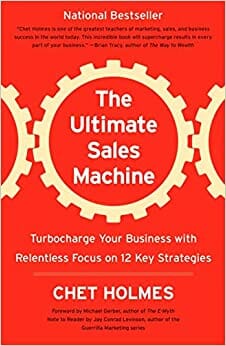
The Ultimate Sales Machine introduced the concept of the Dream 100 which we cover in our Follow Up section.
It outlines a systematic process for consistent follow up with potential clients to break through the noise and get on their radar screen.

Resources for Selling to Corporate Clients

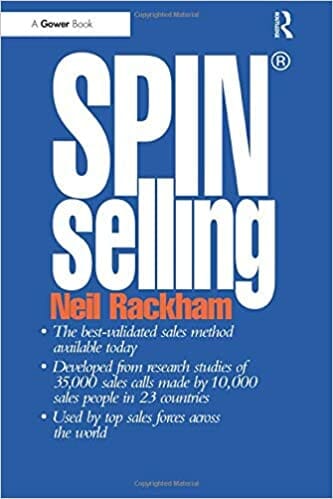
SPIN Selling is another classic work based on the research of Neil Rackham into large sales.
It reveals the correct sequence for questioning to build up the client's recognition of their needs and crucially, to see the true impact of the issue on their business - motivating them to buy. 
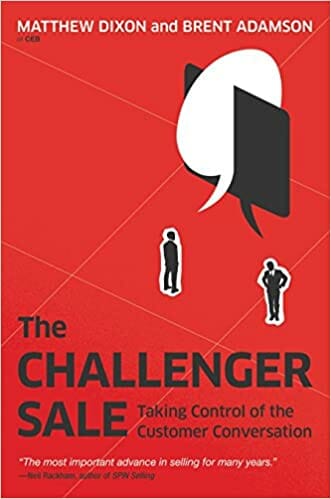
The Challenger Sale is based on recent research into the skills and behaviours of successful salespeople in large, complex sales.

It highlights how these "challengers" approach customers with unique insights about how they can save or make money. They're assertive, pushing back when necessary and taking control of the sale.

Resources for for Winning Proposals and Tenders

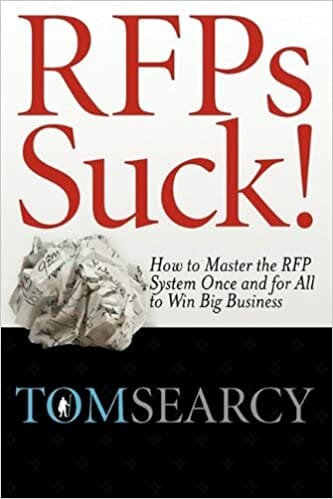
RFPs Suck is the somewhat tongue-in-cheek title of a very thorough guide to how small businesses can win more than their fair share of tenders and request for proposal processes.
It covers how to decide which RFPs to respond to and which to avoid, how to overcome barriers to accessing key personnel, how to differentiate your response from your competitors, and how to overcome large companies fears of dealing with small firms.
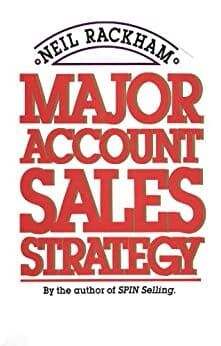
Major Account Sales Strategy is another classic book describing corporate decision making.
It's particularly useful for understanding how to gain entry into new client accounts, and how to "overtake" competitors in proposal and competitive  bid processes.

Please note, the Amazon links are affiliate links and I'll get a small commission if you buy through them. Think of it like buying me a beer :)

Next step

 Unsnooze  Your Inbox

The very best way to win corporate or any high paying clients is to nurture your relationships by adding value over times.

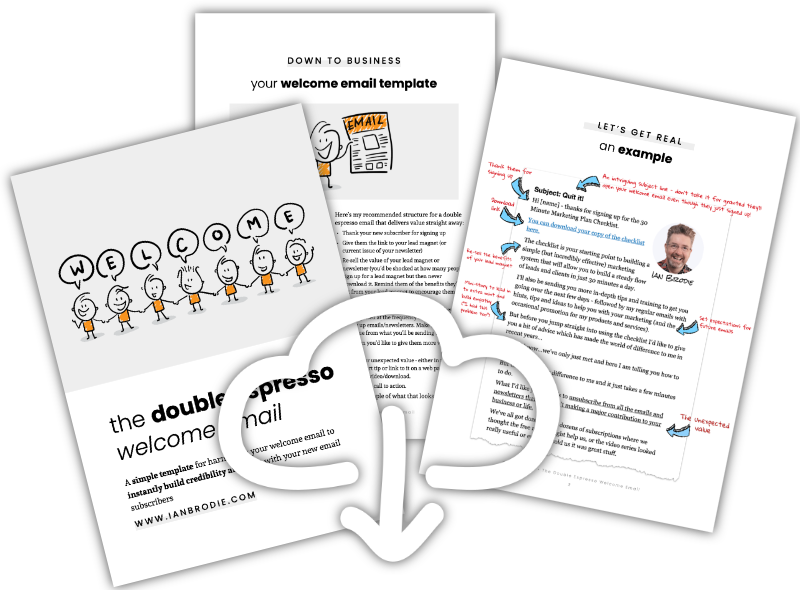
And the very best way to do that is with an email newsletter. Sign up for Unsnooze Your Inbox to get my best tips, insights and strategies for succeeding with newsletters and emails - and get the bonus "Double Espresso" welcome email template for building instant credibility.

Featured

Selling to Corporates

Posted on November 30th, 2020.

How To Get Corporate Clients: The Ultimate Guide

Selling to Corporates: the Best Approaches for Enrolling Clients


CONTENTS

Selling to Corporates: the Best Approaches for Enrolling Clients


The final step in the process of winning corporate clients is where you take all that great work you've done on generating leads and building relationships and convert it into paying clients.
There are three primary scenarios where you can end up in sales discussions with potential corporate clients:
  • A High Value Briefing - usually initiated by you early on in your relationship with them where you offer to meet with them to share valuable information and insight. The primary objective of the meeting is to share ideas - but it can often lead to discussing how you could help them implement those ideas.

  • A traditional Sales Meeting - where the explicit agenda of the meeting is to discuss a problem the client has or explore opportunities for you to help them.

  • A response to a formal Tender or Request for Proposals - where the client has entered their formal procurement process and is in discussion with a number of potential suppliers. 

Each one needs a different strategy to succeed and to maximise your chances of winning a client.

High Value Briefings to win Corporate Clients

In the lead generation section we talked about using an Authority Research Project to create unique and valuable insights, and then present them back to the research participants and other potential clients.
 
A High Value Briefing is essentially the second part of that process - offering to present valuable insights and ideas on a key topic to potential clients.

Those insights could be the result of a research project - or they could simply be based on your accumulated expertise or an exercise to capture learnings from client projects.

As long has you have valuable information and ideas to share with potential clients, a high value briefing is a great way of getting deeper engagement, building your credibility, and beginning to talk about potential opportunities for working together.

High value briefings work best early on in the buying process of corporate clients while they're still discovering and learning about their problems and goals or beginning to look at potential solutions. In this phase they're open to hearing new and useful ideas. They allow you to get face to face (live or virtually) with potential clients who wouldn't otherwise consider a meeting with a supplier.

The primary goal of a high value briefing is to give them tremendous value and in the process to strengthen credibility and trust. But very often the insights you share lead to reach from potential clients to ask about how you might be able to help them in those areas.

You can then either discuss those opportunities immediately, or arrange to come back for a follow up meeting focused on talking about working together.


As with a research project, the topics for high value briefings that corporate clients are most likely to be interested in are:

  • What their customers are thinking and doing

  • What their competitors are thinking and doing (e.g. best practices/benchmarking)

  • Big external trends that will affect them (e.g. technology, legal, economic, societal, etc)

The structure of a high value briefing is in four phases:

  • Share an overview of your insights/research

  • Ask them which of the areas covered is the biggest priority for them to discuss 

  • Share more in-depth information on the areas they identified - make it an interactive discussion where you ask them more details about what they're currently doing in the priority area and share relevant ideas

  • Summarise what you've shared and ask if they'd like to discuss their options for addressing the priority areas and how you might be able to help

By the end of the briefing you'll ideally have set up a follow up discussion about working together. But even in the worst case where they're not ready to move ahead, you'll have given them tremendous value, identified which areas are priorities for them and built your credibility in those areas to position you as the person to turn to when the time is right.

Traditional Sales Meetings to win Corporate Clients

By "traditional sales meeting" I mean a discussion with a potential client where the overt agenda is to discuss one or more problems or goals they have with a view to exploring how you might be able to help them address it.  
These meetings are naturally going to take place later in the client's buying process after they've explored their issues and potential solutions and are looked at how someone might be able to help them. So ideally you'll already have built a solid relationship with them by the time they get to this step and they're open to working with you.
There's a wealth of material you can get on effective sales meetings for large sales (more details in the resources section). But in essence, the key to effective sales meetings is:
  • Establishing rapport so that your potential client opens up about the real issues facing them (your previous relationship building steps will help here of course)

  • Smart questioning to diagnose the real issues or underlying root causes and barriers - and to highlight potential options the client hadn't considered themselves

  • Exploring the true impact of their issues so that the business case for change is clear

  • Setting clear, agreed next steps that involve the client making commitments too

For corporate clients there's an additional key factor over and above what you might see in a sales meeting with an individual or small business - and that's the complexity of the decision making in corporates.

According to the Conference Executive Board in 2018, the average number of customer stakeholders involved in a business to business purchasing decision was 6.8.

You don't necessarily need to meet or get all those stakeholder on side. But you do need to persuade the key influencers in the decision.

So a crucial part of your sales meetings is not only talking to the person in front of you about their perspective on the issue, it's finding out from them about who else is involved in the decision and how the decision making process works.

This is why partnering with your potential clients to help them solve an important problem for them rather selling at them is so crucial. And it's why the time you spend in the follow up phase building your relationship and generating trust by adding value is so important too.

If they're strongly motivated to solve their problem and they see you as a key ally who has their best interests at heart they'll share details about the decision making process and help you navigate through it. If they see you as just a salesperson trying to get them to buy from you they won't.

Formal Tenders and Requests for Proposals

For many purchases in corporates, particularly large or complex projects, they'll want (or be required) to go through a procurement or tender process involving sending out a request for proposals and formally evaluating the responses.
Often this will involve you sending an initial proposal, then if shortlisted, doing a live presentation.  
The first thing to say about formal tender and request for proposal processes is that they take a significant amount of time. Even the proposal stage requires you to conform to the client's format and usually involves answering lots of detailed questions on a variety of topics unrelated to the actual project: from health and safety to diversity to insurance cover and other company policies.
This adds a significant overhead for small businesses trying to win the project. Unless you're regularly taking part in these processes you're going to have to create these answers from scratch. Large companies with dedicated proposal writing teams have libraries of boilerplate they can draw on from previous proposals which saves them a significant amount of time and rework.
The odds are also stacked against small firms in formal purchasing processes because inevitably the size of the small supplier and the perceived risk of working with them will be a factor. An individual buyer in a corporate may decide they want to work with a small firm because of the value and specific expertise they bring. But the moment procurement teams get involved, a "safety first" mindset takes over.
For these reasons, my advice is to focus your resources and only get involved in a small number of formal tenders every year (if any). And if you do, only take part if you've already built a relationship with the key influencers involved in buying and if you believe you have a significant advantage over other potential suppliers.
In particular, if the first time you get to hear of a project is when the tender or request for proposals is announced, then the chances of you winning are close to zero. Stay away.

Winning Formal Tenders and Requests for Proposals

The first step in winning in a formal procurement process is to be ruthlessly selective. You're far better investing your time in making a brilliant job of two proposals than an OK job of ten.
Once you've focused on a "winnable" project, your next job is to make sure you don't get screened out.
The first phase of most procurement processes where proposals are submitted is essentially a screening process to narrow the field to the most likely contenders. 
It's staggering how many providers get thrown out at this stage simply by not complying with the rules of process. Missing answers to questions, answering in the wrong order, not having the right level of insurance or the right policies in place, not supplying the references asked for.
No matter how great you'd be at doing the work, if you don't provide all the answers the request for proposals asks for, you won't make it through to the next round to show them.
Once you've got through the hoops on the initial proposal, you now need to show that you’d be the very best person for them to work with.
Practically every bid will be evaluated using a system of ranked criteria, with some criteria carrying more weight than others.
Sometimes the criteria are published as part of the process. Sometimes they can be inferred from the questions in the request for proposals. And if not, you can get a sense for what they are by asking your contacts in the client organisation.
If you can't establish what the selection criteria are, your chances of winning are very low and you should consider not bidding. At least one of your competitors will know what the criteria are and will be making sure they score highly while you shoot in the dark.
When you have an idea of what the criteria are your strategy then depends on where you're currently positioned vs your competitors.
  • If you believe you rank very strongly on the criteria being used then your strategy should be to reinforce this by providing strong evidence for your ranking. You should also try to give the client confidence they are using the right criteria in order to counteract the second strategy. 

  • If you're a significant underdog based on the criteria you believe the client is using then your best bet is to try to change the criteria. Either to introduce new ideas or to change the wighting of the criteria. Of course, this is not an easy task and it's a high risk strategy as if the client doesn't agree it can lower your ranking. But since you weren't going to win anyway based on the criteria, it may be a risk worth taking.

Next step

Resources for Winning Corporate Clients

A guide to the best books and other resources for understanding and mastering the art of winning corporate clients.